Travel Scam-Proofing: Digital Safety Habits for Any Trip
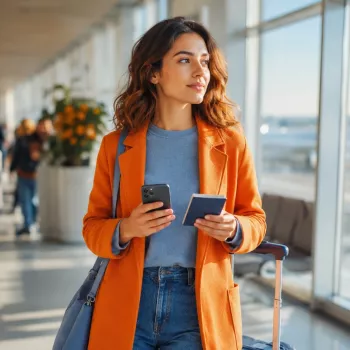
Travel Security & Scam Awareness Guide: Digital Safety Habits That Actually Hold Up on the Road
Travel safety today goes beyond locking a suitcase. Scams increasingly blend in with normal tourism—QR codes, ride-hail “helpers,” fake Wi‑Fi, and convincing messages that look like they came from a bank, hotel, or airline. The safest travelers aren’t the most paranoid; they’re the most prepared, with simple routines that reduce the damage a bad moment can cause. This handbook-style guide focuses on practical habits to protect money, identity, devices, and personal safety across airports, hotels, transit, and day-to-day exploring—especially for solo travelers and business trips where time pressure and routine can create blind spots.
Before Departure: Set Up a Low-Risk Travel Profile
Most travel losses become expensive because everything is connected—your primary email resets your bank password, your phone holds your boarding passes, and your saved cards auto-fill on unfamiliar networks. Break that chain before you leave.
- Separate “travel accounts” from primary accounts: use a secondary email for bookings, a travel-focused payment card, and limited-access app logins where possible.
- Lock down devices: enable full-disk encryption, auto-lock, a strong PIN, and biometric unlock; disable lock-screen previews for messages and sensitive notifications.
- Harden accounts: turn on multi-factor authentication (an authenticator app is typically safer than SMS), review recovery options, and set unique passwords.
- Backups and remote control: confirm cloud backups work, enable “Find My Device,” and verify remote wipe is active on phones/tablets/laptops.
- Travel documentation: store copies of passport/ID, visas, travel insurance, and emergency contacts in an encrypted vault; keep one offline copy accessible.
- Itinerary and check-ins: share plans with a trusted contact using limited visibility; avoid broadcasting real-time location publicly.
For additional checklist-style planning, the U.S. Department of State’s traveler resources can be a solid baseline for international prep: U.S. Department of State — Travelers Checklist.
On the Move: Airport, Train, Rides, and Street-Level Awareness
Transit hubs reward speed and punish distraction. Most thefts happen when attention is split: a tray at security, a phone call while boarding, or confusion at a kiosk.
- Transit hotspots: expect distraction tactics at check-in lines, security trays, baggage claim, ticket kiosks, and crowded platforms.
- Bag control rules: keep one hand on valuables in dense crowds; never hang a bag on a chair; keep zippers closed and items distributed (not all in one pocket).
- Ride safety: verify vehicle plate and driver name; ignore “helpers” who steer you to another car; keep destination entry private until inside the vehicle.
- Public charging caution: use a charge-only cable or a personal power bank; avoid unknown USB ports when possible.
- ATM and card use: prefer bank-owned ATMs indoors; cover the keypad; decline dynamic currency conversion; set transaction alerts.
Quick checks by situation
| Situation | Risk to watch | Safer move |
|---|---|---|
| Security tray / screening | Phone or wallet “left behind” during rush | Empty pockets only when next to the belt; put phone in a bag pocket, not loose in a tray |
| Baggage claim | Look-alike suitcase grab or staged confusion | Mark luggage distinctly; stand where the carousel exit is visible; verify tag before leaving |
| Taxi / rideshare pickup | Imposter drivers and “helpful” intermediaries | Confirm plate + app details; ignore solicitors; cancel and rebook if uncertain |
| Tourist plazas / photo spots | Distraction + pickpocket pairs | Keep valuables front-carry; decline unsolicited help; move to a less crowded spot |
| ATM on the street | Skimmers and shoulder surfing | Use indoor ATMs; cover keypad; walk away if anything looks added or loose |
Digital Safety on the Road: Wi‑Fi, QR Codes, and Messaging Scams
Cyber-enabled scams thrive in travel because they look normal: a “hotel Wi‑Fi” login page, a QR menu, a text about an “urgent fee.” The goal is usually credential capture or payment diversion.
For practical online safety guidance that maps well to travel scenarios, see: UK National Cyber Security Centre — Top tips for staying secure online.
Common Scam Patterns and How to Break the Script
For broader context on fraud patterns and cross-border crime, Europol’s prevention resources can be helpful: Europol — Crime areas and statistics.
Solo Travelers: Practical Safety Routines Without Losing Spontaneity
Business Trips: Protect Devices, Data, and Reputation
If Something Goes Wrong: A Simple Response Checklist
A Ready-to-Use Handbook for Safer Travel
For travelers who want a structured, printable reference, the Travel Security & Scam Awareness Guide is designed as a quick-access digital handbook covering everyday scenarios and step-by-step routines—useful for first-time international trips, solo itineraries, conference travel, and any trip involving frequent transit, public Wi‑Fi, and unfamiliar payment systems.
If meeting new people is part of your travel plan (social trips, conferences, or digital nomad life), tightening how you share personal details can help reduce impersonation and oversharing risks; the Online-Dating Profile Blueprint can support more intentional boundaries and safer communication habits when connecting with strangers.
FAQ
Is public Wi‑Fi safe for banking while traveling?
It’s safer to avoid banking on open/public Wi‑Fi. Use mobile data or a trusted secured connection, keep multi-factor authentication enabled, and confirm the exact network name with staff when you must connect.
What are the most common tourist scams to watch for?
Common patterns include distraction pickpocketing, fake taxis or imposter rideshare pickups, “help” scams at ATMs or kiosks (card swap/PIN capture), QR code or payment-link fraud, and impersonation messages that claim to be from a hotel, airline, or bank.
What should be done first if a phone is stolen during a trip?
Prioritize personal safety and move to a secure location first. Then lock/locate the device, freeze payment cards, reset key passwords from a clean device, contact your carrier, and file a report for insurance and recovery steps.











Leave a comment